
- Home Improvement & Decor
Essential Home Improvement & Decor Trends
Wondering which Home Improvement Trends are actually worth trying? This simple guide highlights the most important ideas in color, furniture, lighting, and decor. Learn easy, practical ways to update your rooms so they feel more modern, comfortable, and beautiful—without a full renovation or huge budget.
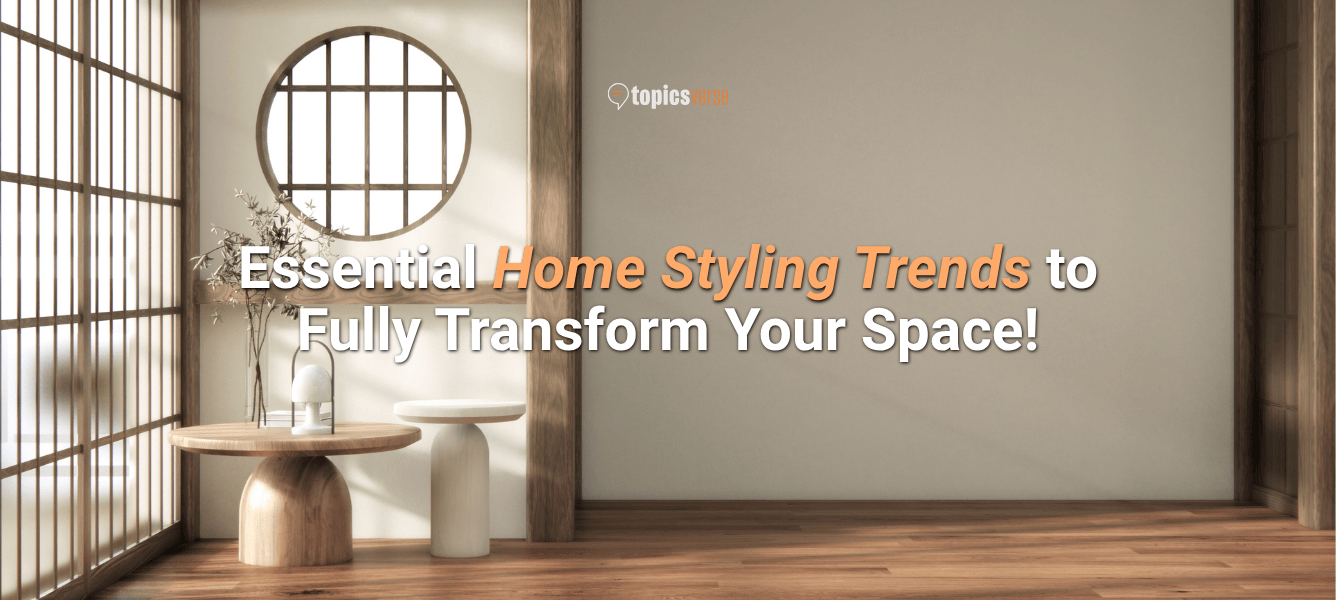
Every time you open Instagram or Pinterest, you see homes that look cozy, stylish, and put together, and then you look at your own space and feel it’s a little behind. You don’t need a full renovation or a huge budget to change that; you just need to know which Home Improvement Trends are actually worth following.
In this blog, we’ll break down the most important trends in simple, clear language and show you how to bring them into your real home, step by step, so it feels modern, comfortable, and totally you.
1. Warm, Natural Colors
Homes are moving away from cold, all‑gray looks. Now, people want spaces that feel cozy and welcoming, not empty or harsh. That’s why warm, natural colors are one of the strongest Home Improvement Trends.
- Popular shades: beige, cream, warm white, taupe, soft brown
- Earthy accents: terracotta, olive green, clay, rust
- Easy updates: cushions, throws, rugs, curtains, a single accent wall
You don’t have to change every wall at once. Even a few warm accents can make your room feel softer and more comfortable.
2. Comfort-First Furniture
Style is still important, but comfort is now a big priority. After spending more time at home, many people choose pieces that feel good to use every day. This comfort focus is a key part of Home Improvement Trends.
- Deep, soft sofas you can sink into
- Rounded edges on coffee tables and chairs
- Padded dining chairs instead of very hard ones
- Layered beds with soft quilts, throws, and pillows
When you shop, don’t just look at photos. Sit, lie down, and really test how each piece feels. A good-looking sofa that is not comfortable will quickly become a regret.
3. Natural Materials and Texture
Instead of shiny, perfect surfaces everywhere, homes now use more natural materials and textures. This makes spaces feel warmer and more relaxed.
- Materials: wood, rattan, jute, linen, cotton, stone, clay
- Textures: chunky knits, woven baskets, textured cushions, slubby fabrics
- Easy swaps: change a gloss coffee table for wood, add a jute rug, use linen curtains
Texture is a smart way to make neutral rooms look interesting. With different textures, even a simple color palette can feel rich and layered.
4. Multi-Use Spaces
Many people now work, study, and relax at home, so multi-use rooms are a major part of Home Improvement Trends. One room often has to do more than one job.
You might have:
- A living room that also works as a small office.
- A bedroom with a reading corner or workout spot.
- A dining area that doubles as a work desk.
To make this work, use smart furniture like desks that can close, storage ottomans, foldable tables, or shelving that divides areas without building walls. Clear zones and good storage keep a multi-use space from feeling messy.
5. Smart but Simple Technology
Smart home tech has become more common, but the trend now is “smart but simple.” The goal is not to make the home feel like a gadget store, but to quietly make life easier.
Popular Home Improvement Trends in tech include:
- Smart bulbs you can dim or change color with your phone.
- Smart plugs or switches to control lamps and devices easily.
- Smart thermostats to save energy.
- Simple security cameras or video doorbells.
Try to hide messy wires and choose devices that match your decor so the room still feels warm and homey, not too “techy.”
6. Sustainable and Second-Hand Choices
More people now care about the environment, so sustainable choices are a big part of Home Improvement Trends. This doesn’t mean you have to spend a lot of money on eco brands; it can be as simple as buying better quality, using second-hand, or reusing what you already own.
You can:
- Buy solid wood furniture that lasts longer instead of flimsy pieces.
- Shop vintage or thrift for side tables, chairs, or decor.
- Repaint old furniture instead of throwing it away.
- Choose natural fabrics like cotton or linen when possible.
These choices are kinder to the planet and often give your home more character and a unique look.
7. Statement Lighting
Lighting is no longer just “a bulb in the center of the room.” Statement lighting is one of the most stylish Home Improvement Trends. A bold light can become the main feature of a space.
Examples include:
- A big pendant light over the dining table.
- A sculptural floor lamp next to the sofa.
- A modern chandelier in the living room or bedroom.
At the same time, layered lighting is still important. Combine ceiling lights with floor lamps, table lamps, and small accent lights so you can change the mood from bright and active to soft and cozy.
8. Gallery Walls and Personal Art
Homes are becoming more personal and less showroom-perfect. Gallery walls and personal art are a big part of that shift and now show up often in Home Improvement Trends.
- Mix prints with personal photos and small art pieces
- Use simple frames in matching or similar colors
- Create a cluster above the sofa, bed, or along a hallway
- Lean frames on shelves and consoles for a more relaxed look
You don’t need expensive art. Travel photos, digital prints, or your own pictures can look amazing when framed nicely. The main point is to choose pieces that really mean something to you.
9. Calm Bedrooms and Spa-Like Bathrooms
People want spaces where they can relax, so calm bedrooms and spa-like bathrooms are very popular in Home Improvement Trends.
For bedrooms, this means:
- Soft, limited color palettes.
- Simple bedding with a few layers.
- Low clutter and closed storage.
For bathrooms, it means:
- Matching towels and mats in calm colors.
- Simple, clean counters with only a few items visible.
- Warm lighting, maybe a candle or small plant.
You don’t need a full remodel to get this feeling; often, just updating textiles, decluttering, and adding a few natural touches is enough.
10. Biophilic Design (Bringing Nature Inside)
One of the strongest Home Improvement Trends is bringing nature indoors, also called biophilic design. The idea is that we feel better when we are closer to natural elements.
You can do this by:
- Adding plants of different sizes around the home.
- Using nature-inspired art (landscapes, leaves, flowers).
- Choosing colors found in nature, like greens, blues, and earthy tones.
- Using natural materials like wood and stone, as mentioned earlier.
Even in a small apartment, one or two plants, a wooden side table, and a nature print can make a big difference.
If you’re looking for a more in-depth guide to upgrade each room in your home, then you can check this essential home improvement and decor trends guide to get more ideas.
Final Thoughts
You don’t have to follow every single trend to have a beautiful home. The best way to use these Home Improvement Trends is to pick the ones that match your lifestyle, your taste, and your budget.
Start with small changes, maybe new lighting, a warmer color palette, or more natural textures. Over time, your home will slowly feel more modern, more comfortable, and more “you,” without losing its personality. If you’d like, you can tell me about one room and your budget, and I can suggest a mini trend-based upgrade plan just for that space.
FAQs:
What are some common interior design mistakes?
Common interior design mistakes include using furniture that is too big or too small for the room, choosing paint colors before picking furniture and fabrics, pushing all furniture against the walls, and adding too many small decor items so the space looks cluttered instead of styled. Another mistake is ignoring lighting and relying only on one strong ceiling light, which can make even a nice room feel flat and harsh.
What to avoid when painting?
When painting, avoid choosing a color directly from a tiny swatch without testing it on the wall first. Colors look very different in real light. Don’t skip prep work like cleaning walls, filling holes, and using primer if needed, or the finish will look uneven. Also, avoid painting in very low light or rushing the second coat, because this can leave streaks and patchy areas.
What are the basic decorating tips?
Basic decorating tips include starting with a simple color palette, using the largest pieces (like sofa, bed, or dining table) to anchor the room, and then layering smaller items like cushions, rugs, and decor. Mix different textures, balance heavy pieces with lighter ones, and use good lighting at different levels. Always step back and remove at least one item if the room starts to feel crowded.
What is the modern style of decor?
Modern style decor usually means clean lines, simple shapes, and less clutter. It often uses neutral colors like white, black, gray, and beige, with a few bold accents. Furniture tends to have smooth surfaces and straight or gently curved lines, and decor is kept minimal. The overall look feels open, airy, and functional, with each piece chosen on purpose, not just to fill space.
How to decorate a house beautifully?
To decorate a house beautifully, start by deciding how you want each room to feel and what it will be used for. Choose a color palette that flows through the whole home, invest in a few good main pieces, and then add personality with art, cushions, rugs, plants, and personal items like books or travel pieces. Keep surfaces fairly clear, use layered lighting, and focus on comfort as much as style so the home looks good and feels good to live in.